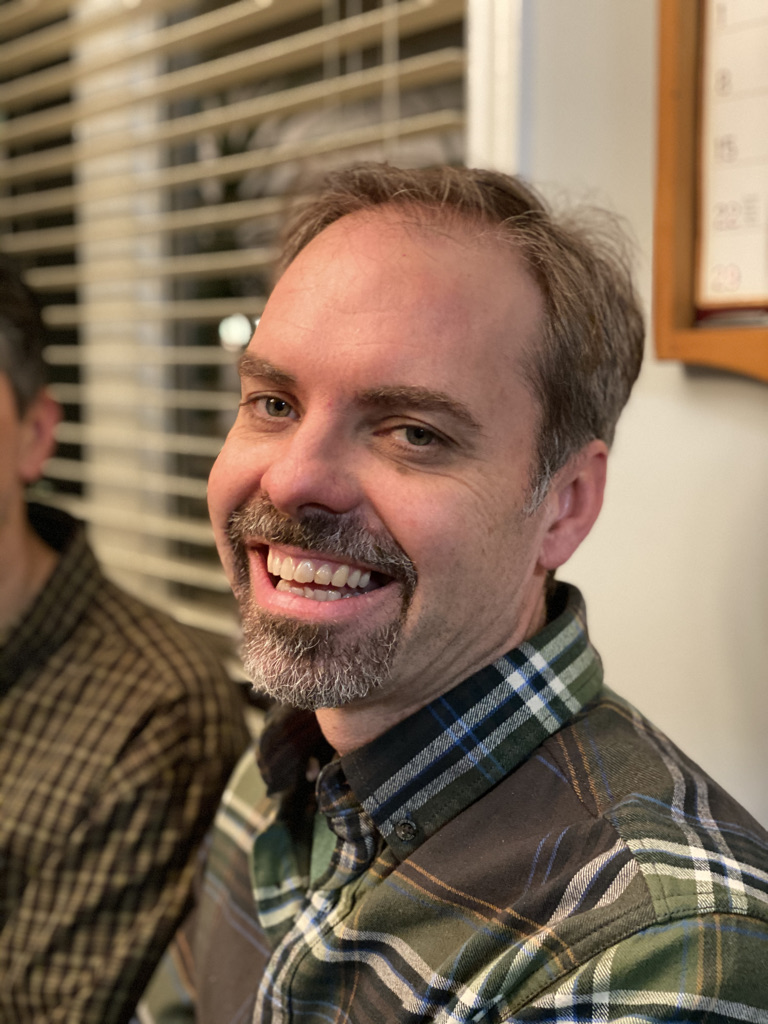
My name is Dan (Daniel R). Boulanger,owner & operator of Value Added Design (VAD). I have 4 decades of experience in the construction field. I am a 3rd Generation builder, coming from a family of builders, where the skills & knowledge were passed down through generations.
Portfolio
Aside from building many houses through these family businesses, I have also completed 2 personal projects from Inception to Completion – From initial Concepts and Plans through Permit & Construction Drawings – through the building & inspection process – through to final completion.
This experience has provided many insights from a builder & home-owner perspective to find solutions to the challenges that the planning process creates. From choosing priorities, and making tough decisions based on budget – to finding deals & solutions that present themselves along the path, this experience can help me to guide others through what can be a stressful process for an individual or a family. Please refer to the Portfolio page for further information.
Licensed Designer
Following this process, I completed the course-work and testing required to gain certification as an Architectural (BCIN) Designer – Registered & Insured as required by the Ministry of Municipal Affairs & Housing (MMHA).
When I am completing the designing process I can draw on this extensive experience of the Building Code & construction to ensure my projects are structurally sound & built to Ontario Building Code (OBC) requirements. I also ensure the plans contain all the necessary information for quality construction in an organized & clear fashion, as required for the process of obtaining a Building Permit.
You can find out more about these services by looking at the Portfolio and Project Management pages, and reach out to me via the Contact page to start our collaborative journey together. I look forward to hearing from you!